From Scattered to Streamlined: How Social Networks Quietly Reorganized My Life
Life used to feel like a never-ending juggling act—messages piling up, plans slipping through the cracks, and constant mental clutter. I wasn’t alone. Many of us use social platforms daily without realizing how deeply they shape our routines, relationships, and even our sense of self. But over time, something shifted. What started as mindless scrolling became a surprising tool for clarity, connection, and personal organization. This is how social networking quietly rebuilt my life—one thoughtful interaction at a time.
The Overwhelm Before the Shift
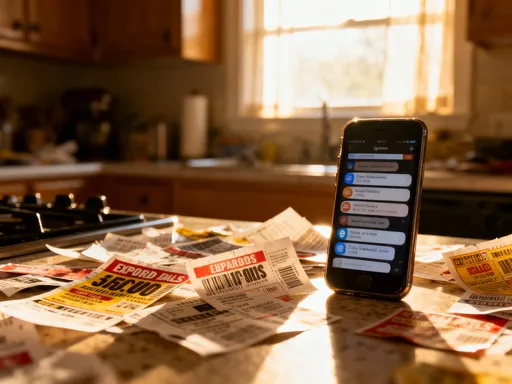
There was a time when my phone felt less like a tool and more like a ticking clock. Every ping pulled me in another direction—kids’ school updates on Facebook, a cousin’s wedding invite buried in a group chat, my sister’s urgent text about Mom’s doctor appointment. I’d open one app only to remember I’d left a message hanging in another. My days were a patchwork of half-answered messages and good intentions that never quite made it to action. I’d lie in bed at night, mentally replaying the things I forgot: Did I RSVP? Did I wish my best friend happy birthday? Did I confirm the babysitter?
And yet, despite being connected all day, I often felt strangely isolated. I’d scroll through photos of friends laughing at a dinner I wasn’t invited to, or see someone post about a book club that sounded perfect—only to realize I’d never know about it in time. The irony wasn’t lost on me: I was more reachable than ever, but I felt further from the people I cared about. My digital life wasn’t helping me live better—it was making me feel scattered, anxious, and perpetually behind.
I remember one Saturday morning, I showed up at my nephew’s soccer game 30 minutes late because the time had changed and the update was lost in a sea of emoji reactions. My sister gave me that look—the one that says, 'Again?'—and I wanted to disappear. It wasn’t that I didn’t care. I cared deeply. But the tools I was using to stay connected were actually making it harder to show up, both online and in real life. That moment was a wake-up call. Something had to change.
Seeing Social Platforms Differently
The shift didn’t come from deleting apps or swearing off technology. It came from changing how I thought about them. I stopped asking, 'Why am I wasting so much time online?' and started asking, 'How can this help me live a calmer, more connected life?' That small change in mindset made all the difference. Instead of seeing social media as the problem, I began to see it as part of the solution.
I realized that these platforms weren’t inherently chaotic—they were mirrors of how I was using them. When I treated Facebook like a newsfeed, it overwhelmed me. But when I started using it as a shared family hub, it became a lifeline. I created a private family group where we posted updates, shared photos, and coordinated events. Suddenly, the birthday reminders weren’t just ads—they were actual prompts to send love to someone I cared about. Instagram stopped being just pretty pictures and became a visual journal of milestones—my niece’s first piano recital, my cousin’s garden harvest, my mom’s recovery walk after surgery.
Even Twitter, which I once thought was too fast-paced for someone like me, became a quiet space for inspiration. I followed a few thoughtful accounts focused on mindful living and personal growth. Instead of doomscrolling, I’d spend ten minutes in the morning reading a short reflection or a gentle reminder to breathe. These weren’t grand changes—just small shifts in intention. But over time, they added up. I wasn’t using social media less. I was using it with purpose. And that made all the difference.
Coordinating Life with Quiet Precision
One of the most practical ways social networks transformed my life was in the everyday logistics. I used to keep three different calendars—one on my phone, one on the fridge, and one in my notebook—and somehow, things still fell through the cracks. Now, I rely on shared digital tools that keep everyone on the same page, literally. Facebook Events became our family’s go-to for scheduling. When my sister planned a weekend getaway for the cousins, she created an event, added the details, and invited everyone. The best part? Automatic reminders. No more 'I didn’t know it was this weekend!' excuses.
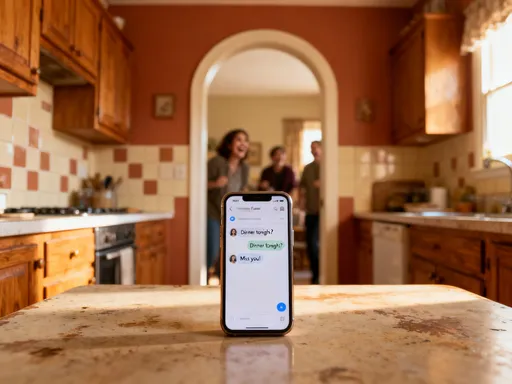
Group chats on WhatsApp or Messenger replaced the endless email chains that used to clog my inbox. Need to figure out who’s bringing what to the holiday dinner? A quick poll in the group. Who’s picking up Mom from her appointment? Someone posts, and within minutes, it’s settled. These aren’t flashy features—they’re simple, reliable tools that reduce friction. And that matters more than we realize. When the little things run smoothly, we have more mental space for the big things—like actually enjoying the holiday, instead of stressing over the logistics.
Pinned posts became my secret weapon. In our family group, we pin important documents—scans of passports, insurance info, even the Wi-Fi password for the vacation rental. No more frantic searching when someone needs it. And for my book club? We use a shared Google Doc linked in the group chat. Everyone adds their thoughts, and the host pulls it together before our meeting. It’s not magic—it’s just smart, consistent use of what’s already available. These tools don’t replace real-life coordination, but they make it quieter, easier, and far less stressful.
Building Emotional Rhythm Through Digital Touchpoints
Beyond the practical benefits, I began to notice something deeper: social networks were helping me stay emotionally connected, even when life kept us apart. My best friend moved across the country two years ago, and at first, we struggled to stay in touch. Phone calls felt forced, and texts often went unanswered for days. But then we started sharing small moments on Messenger—just a photo of her coffee in the morning, or me sending a voice note after a long day. No pressure, no expectations. Just presence.
Those tiny digital touches created a rhythm in our friendship. I’d see her post about her dog’s birthday and send a quick 'Aww, give him a scratch for me!' It wasn’t a grand gesture, but it reminded her—and me—that we were still part of each other’s lives. And when she went through a tough time last winter, I didn’t wait for a big moment to reach out. I commented on her post with a simple 'Thinking of you.' She later told me that small act made her feel seen in a way that meant more than a long message could have.
For my mom, who lives two hours away, Instagram stories became her window into our daily lives. She doesn’t always comment, but I know she watches. When my daughter made her first homemade necklace and proudly wore it to school, I shared a quick video. Later, Mom called and said, 'I saw Clara’s necklace—she’s so creative!' That moment of connection wouldn’t have happened if I’d waited to call or text. The platform made it effortless. These digital touchpoints aren’t replacements for face-to-face time, but they’re the threads that keep relationships warm between visits.
Creating Space for Personal Growth
As the noise in my digital life quieted down, something unexpected happened: I started to hear myself again. With fewer mental loads tied up in tracking down information or remembering who said what, I had more space to think, reflect, and grow. That’s when I discovered the power of niche online communities. I joined a private Facebook group for women over 40 focused on mindful living. At first, I just read posts. But slowly, I started sharing—about my struggles with balancing work and family, my desire to write more, my fear of falling behind in a world that moves too fast.
What surprised me was how supportive and grounded the group felt. No judgment, no pressure to perform. Just real women sharing real experiences. One member posted about starting a gratitude journal, and I decided to try it. Another shared a simple breathing exercise that she used before bed. I adopted it, and within a week, I was sleeping better. These weren’t life-changing hacks—just small, practical ideas from people who understood my stage of life. But they made a real difference.
I also found a small Twitter circle of women who write—some published, some just starting out. We don’t post every day, but when someone shares a piece, the responses are kind and encouraging. I began writing short essays about motherhood, aging, and finding joy in the everyday. Posting them felt vulnerable, but the support I received gave me confidence. These communities didn’t distract me from my life—they helped me show up for it more fully. They reminded me that growth doesn’t always happen in big leaps. Sometimes, it’s a quiet conversation in a comment thread that shifts your perspective.
Setting Boundaries That Empower
Of course, none of this works without boundaries. The real transformation didn’t come from using social media more—it came from using it with intention. I learned to mute groups that drained me, like the neighborhood chat that turned into a complaint board. I turned off notifications for everything except immediate family and close friends. And I set a hard rule: no screens after 8 PM. That hour before bed is now for reading, journaling, or just sitting quietly with a cup of tea.
I also started scheduling my check-ins. Instead of reacting to every alert, I set aside two short times a day—once in the morning, once in the evening—to catch up. It’s amazing how much calmer I feel when I’m in control of my time, not my phone. I even use the 'Do Not Disturb' feature during family dinners. My kids tease me—'Mom’s in her tech cocoon!'—but they’ve noticed the difference. I’m more present, less distracted, and actually listening.
One of the most powerful changes was unfollowing accounts that made me feel 'less than.' I realized that some of the people I followed—well-meaning influencers, busy moms with perfect homes—were making me feel like I wasn’t doing enough. So I unfollowed them. Not out of anger, but out of self-care. My feed now reflects the life I want to live—calm, connected, intentional. It’s not about hiding from reality. It’s about curating a digital space that supports my well-being, not undermines it.
A Life Quietly Transformed
Looking back, I can’t point to one moment when everything changed. There was no dramatic app detox, no viral productivity hack. What transformed my life was a series of small, consistent choices—choosing connection over chaos, purpose over passive scrolling, presence over performance. Social networks didn’t fix my life. I used them to fix my relationship with time, with people, and with myself.
Today, I’m still on the same platforms. But now, they serve me instead of the other way around. I use them to remember the important things, to stay close to the people I love, and to grow in ways I didn’t think possible. My phone isn’t a source of stress anymore. It’s a quiet helper—there when I need it, resting when I don’t.
And perhaps the most beautiful part is how this shift has rippled into my real life. I’m more patient with my kids. I listen better to my husband. I have more energy for the things that matter—because I’m not wasting it on digital clutter. I’ve learned that technology doesn’t have to steal our peace. When used with care, it can actually give it back.
If you’re feeling overwhelmed by the constant buzz of online life, I want you to know: it’s not you. It’s how you’re using it. You don’t have to leave social media to find calm. You just have to reclaim it. Start small. Mute one group. Send one meaningful message. Use one feature with intention. Over time, those small acts add up to a life that feels lighter, fuller, and more in sync. Because the most powerful tech isn’t the one that dazzles us—it’s the one that helps us live with more ease, more love, and more of ourselves.