I’m always late — How vehicle tracking quietly changed my family’s rhythm
You know that sinking feeling when you’re stuck in traffic, watching the clock tick, knowing your kid’s after-school pickup is about to turn into chaos? I lived that stress daily—until a simple tech tweak transformed our routine. No magic, no overhaul—just a quiet, smart tool that gave us time, calm, and connection back. This isn’t about gadgets; it’s about reclaiming your day. And honestly? It didn’t take willpower, a new planner, or waking up two hours earlier. It took knowing—really knowing—where the cars were.
“I’m always late”—The guilt and grind of modern family logistics
Let’s be real—how many times have you said, “I’m running behind,” only to hear the same from someone else in your family? It’s like we’re all apologizing for being human in a world that expects superhuman coordination. I remember standing in the school pickup line, heart pounding, rain soaking my shoulders, knowing my eight-year-old had been waiting five minutes past dismissal. Her teacher gave me that look—the one that says, Again?—and I wanted to disappear. But it wasn’t laziness. It wasn’t lack of care. I was doing my best, juggling a work call, a grocery stop, and a flat tire scare—all while trying to guess when my husband would leave the office.
That’s the thing about being late: it’s rarely about one mistake. It’s the ripple effect of not knowing. Did he leave yet? Is she still at practice? Did the bus drop her off early? We spend so much mental energy guessing, calling, texting, double-checking—energy that could go into being present, being patient, being calm. The guilt piles up. You start to feel like you’re failing—not just as a driver, but as a parent, a partner, a person who’s supposed to have it together.
But here’s what I’ve learned: chronic lateness isn’t a character flaw. It’s a systems problem. We’re trying to run a complex household with the tools of the past—memory, assumptions, and hope. And in that gap between expectation and reality, stress grows. The kids feel it. The partner feels it. You feel it in your chest when you’re rushing through the door, apologizing before you even say hello. What if we didn’t have to guess? What if we could just… know?
The invisible shift: How knowing “where” reduces daily stress
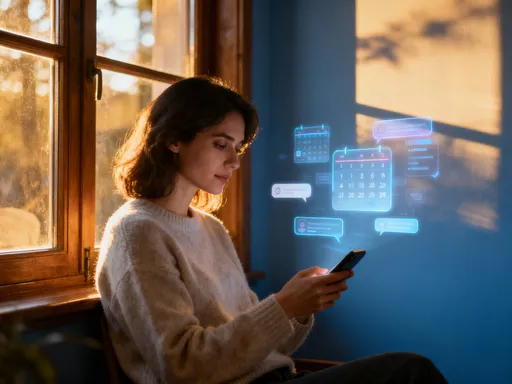
Think about how much easier cooking would be if you could see exactly when your oven hit 350 degrees. You wouldn’t have to hover, wondering if it’s ready. You’d just glance and know. That’s the kind of quiet relief vehicle tracking brings to family life. It’s not flashy. It doesn’t buzz or demand attention. But when you can open an app and see that your husband’s car just left his office parking lot, something shifts. You exhale. You don’t have to call. You don’t have to nag. You can start heating the soup, knowing dinner will sync with his arrival.
That small certainty? It’s powerful. It’s the difference between chaos and rhythm. My daughter’s dance class ends at 5:15. Before, I’d leave work at 4:50 just in case traffic was bad, only to sit in the parking lot for 20 minutes. Or worse—I’d cut a meeting short, rush over, and still be five minutes late because I misjudged her teacher’s timing. Now, I check the app. If the car’s already on the move, I can finish my email. If it’s still parked at home, I know I need to jump in the driver’s seat. It’s not about control. It’s about clarity. And clarity creates calm.
Even my teenager started using it—voluntarily. She got her license last year, and I’ll admit, the first few weeks were nerve-wracking. Every time she drove somewhere, my mind raced with what-ifs. But instead of bombarding her with texts, I showed her how the app works. “You don’t have to share if you don’t want to,” I said. “But if you do, I’ll know you’re safe, and I won’t bug you.” She thought about it, then agreed. Now, when she leaves a friend’s house, I get a quiet notification. No stress. No guilt. Just peace of mind. And she feels trusted—not watched.
Not just for fleets—Why this tech belongs in family cars
You might think vehicle tracking is for delivery trucks or taxi companies. I did too. The word “tracking” sounds so… corporate. Like something for managers and spreadsheets. But the truth is, the same technology that helps a pizza arrive on time can help your family arrive on time. And it’s not about surveillance. It’s about support. Think of it like a shared calendar—but for movement. Instead of guessing when someone will be home, you can plan around real information.
Families are, in many ways, small logistics networks. We’re constantly moving people and things from point A to B. And just like a business needs visibility to run smoothly, so do we. The tools have become affordable, simple, and private. Most apps are free or low-cost, and they don’t require any special equipment—just a smartphone or a small plug-in device that goes into the car’s diagnostic port. No wires, no drilling, no tech degree needed.
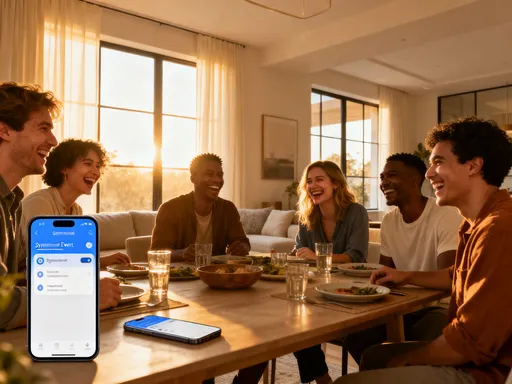
And the benefits? They’re deeply personal. Imagine getting a gentle alert that your mom just left her doctor’s appointment—so you can time your call to check in, or plan to pick her up if she’s feeling unwell. Or knowing your spouse made it to the airport safely, so you can stop refreshing the flight tracker. Or even something small: realizing your partner is already on their way to the store, so you don’t need to make a second trip. These aren’t huge moments, but they add up to a lighter mental load. And when the mental load gets lighter, you have more space—for listening, for laughing, for just being.
Seamless setup: Making it part of your life, not another chore
I’ll admit, I was skeptical at first. The last thing I needed was another app to manage, another password to remember, another gadget to charge. But the setup was easier than I thought. I downloaded a popular vehicle tracking app—no cost, just a free account. Then, I bought a small GPS tracker online (less than $50) and plugged it into the diagnostic port under the steering wheel. It’s about the size of a USB stick. My husband didn’t even notice it at first.
Next, I created a family group in the app and invited him and my older daughter to join. They got a text link, signed up, and within minutes, we could see each other’s cars—only when they were moving. The app respects privacy: it doesn’t track walking or indoor locations, and you can pause sharing anytime. We decided to keep it on during the day and turn it off at night, just to respect personal time. It felt like setting a boundary—and that made it feel safe, not invasive.
The best part? Once it was set up, I forgot about it. It runs in the background, like Wi-Fi or automatic software updates. I don’t have to open it every day. I only check when I need to—like when I’m planning dinner or waiting for someone to come home. And when the internet went out for a day? The tracker paused and resumed automatically. No fuss. No troubleshooting. It just worked. That’s the kind of tech I can get behind—something that helps without demanding attention.
Real moments: How one family gained back an hour a week
Let me walk you through a typical week now—because the real test isn’t the tech, it’s how it changes your days. Monday: My son has soccer practice at 4:30. In the past, I’d leave work at 3:45, just in case his coach ended early. Now, I wait until I see his practice location light up on the map—meaning the team van has arrived. Then I leave, arriving exactly on time. No waiting. No rushing.
Tuesday: My husband has a late meeting. I used to text him every 20 minutes: “Leaving soon?” “On your way?” “Should I start dinner?” Now, I just glance at the app. When his car moves, I know. I started cooking at 6:08, he walked in at 6:22. We ate at 6:35—hot food, no stress. Wednesday: I was about to drive to the pharmacy for allergy meds when I checked the app and saw my daughter’s car was already heading that way. I sent a quick text: “Can you grab my refill?” She did. One less trip for me.
Thursday: My mom had a medical test. I didn’t want to hover, but I wanted to know she was okay. When her car left the clinic, I called her—timed perfectly. She said, “I was just thinking of you.” Friday: My teenager had a friend over. I didn’t ask 10 times if they were leaving. I saw the car start moving and said, “Heads up, they’re on their way.” No nagging. No tension.
It’s not that we never run late anymore. Life happens. But the constant anxiety? The guessing? The guilt? Those have faded. And when I added it up, I realized we were saving at least an hour a week—just in time not spent waiting, rushing, or worrying. That’s seven hours a month. That’s a full day a year—just from knowing where the cars were.
Trust, not tracking: Keeping it positive and respectful
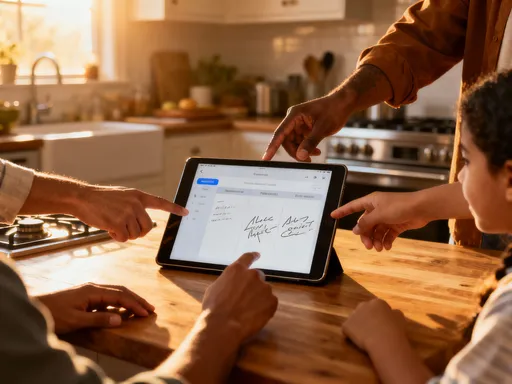
I know what you might be thinking: “Isn’t this a little… intrusive?” It’s a fair question. When I first brought it up with my husband, he said, “So you want to track me?” I said, “No—I want to *know* you’re on your way. I don’t want to call. I don’t want to worry. I want to trust that we’re in sync.” We talked about it as a family. We set rules: no checking just because. No using it to prove someone was late. No sharing with outsiders. It’s for coordination, not control.
And here’s the surprise: it actually built trust. When my daughter sees that I respect her space—when I don’t check her location unless she’s driving somewhere new or late at night—she feels safer, not spied on. When my husband knows I’m not using it to monitor his coffee stops, but to plan dinner, he’s more willing to share. We use it to help, not to judge. And when someone needs privacy—a doctor’s visit, a surprise party, a quiet moment—they can pause sharing. The app supports boundaries, not erases them.
The key is mindset. This isn’t about surveillance. It’s about support. It’s like leaving a light on for someone—you’re not watching them walk up the path. You’re just making sure they can see where they’re going. When used with care and consent, vehicle tracking becomes a quiet act of love. It says, “I care where you are. I want you to be safe. And I don’t want to add stress to your day.”
The bigger picture: Small tech, lasting peace
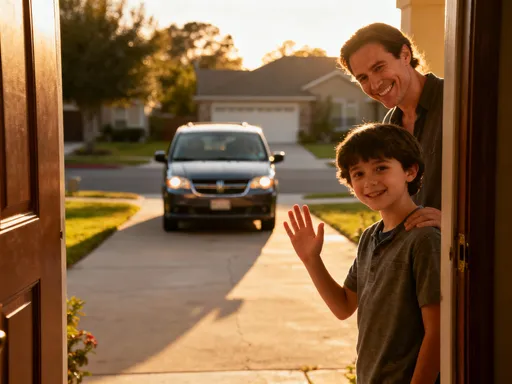
At the end of the day, this isn’t really about cars or apps or GPS signals. It’s about what happens when the little stresses start to fade. It’s about the first dinner in months where no one apologized for being late. It’s about the deep breath I took when I saw my husband’s car turn onto our street—knowing he was safe, knowing I didn’t have to call. It’s about my daughter waving at me from the sidewalk, dry and smiling, because I arrived exactly when she needed me.
Technology doesn’t have to be loud to be life-changing. Sometimes, the most powerful tools are the ones that work quietly in the background, freeing us to focus on what matters. Vehicle tracking didn’t make me a better driver. It didn’t make me more organized. But it gave me something priceless: the gift of presence. Now, when I walk into the house, I’m not distracted by the stress of the drive. I’m not replaying the traffic jam. I’m just… there. With my family. With my breath. With the moment.
And that, I’ve realized, is the real win. Not perfect timing. Not flawless logistics. But peace. The kind that comes when you stop chasing the clock and start living in the now. This small tech didn’t change my life because it was smart. It changed my life because it helped me be softer, calmer, more connected. And if that’s what “being late” was costing me—then knowing where we are has given me so much more than time. It’s given me back my calm, my confidence, and my connection. And honestly? That’s worth every penny.