How I Finally Beat Stubborn Constipation—Simple Changes, Real Results
Constipation is more than just uncomfortable—it can drag down your energy, mood, and daily life. For years, I struggled with bloating and irregularity, trying quick fixes that never lasted. But when I shifted my focus to long-term habits instead of instant relief, everything changed. This isn’t about extreme diets or supplements—it’s about real, science-backed steps that support natural digestion. If you’re tired of feeling stuck, you’re not alone—and real improvement is possible.
The Hidden Impact of Chronic Constipation
Constipation often feels like a minor inconvenience, but its effects ripple far beyond occasional discomfort. For many women in their 30s, 40s, and 50s, chronic constipation quietly undermines overall well-being. It’s not just about bloating or infrequent trips to the bathroom—symptoms like fatigue, irritability, and brain fog are frequently linked to poor bowel health. The digestive system plays a central role in nutrient absorption, hormone regulation, and immune function, so when it’s not moving efficiently, the entire body pays the price. Many report feeling sluggish, unmotivated, or even emotionally low when digestion stalls.
Medically, constipation is typically defined as having fewer than three bowel movements per week, hard or lumpy stools, or a persistent feeling of incomplete evacuation. Common triggers include low dietary fiber, inadequate fluid intake, lack of physical activity, and disruptions in daily routine—especially during busy seasons of life like caring for children or managing household responsibilities. Certain medications, such as some pain relievers or iron supplements, can also slow digestion. While occasional episodes are normal, recurring constipation should not be dismissed as inevitable or simply part of aging.
Too often, people turn to over-the-counter laxatives for relief. While these can be helpful in the short term, regular use may interfere with the body’s natural ability to initiate bowel movements. Stimulant laxatives, for example, can lead to dependency if used excessively, making the colon less responsive over time. This creates a cycle: reliance on medication leads to weaker natural contractions, which in turn increases the need for stronger doses. Instead of masking the issue, the goal should be to address the root causes through sustainable lifestyle changes.
Viewing constipation as a symptom rather than just a nuisance is a crucial shift in mindset. It’s the body’s way of signaling that something is out of balance—whether it’s hydration, nutrition, movement, or stress. Recognizing this allows for a more compassionate and effective approach. Rather than feeling frustrated or embarrassed, women can begin to see bowel health as an essential component of overall vitality. By making thoughtful adjustments, it’s possible to restore regularity and reclaim comfort, energy, and confidence in daily life.
Why the Body Gets “Stuck”: Digestive Physiology Made Simple
Understanding how digestion works can demystify why constipation happens and how to prevent it. At its core, the digestive tract functions like a coordinated system of muscle contractions that move food and waste through the body. This process, known as peristalsis, relies on rhythmic waves of muscle activity that push contents from the stomach through the small intestine and into the colon. The colon’s primary job is to absorb water and form stool, but if movement slows, too much water is absorbed, leading to dry, hard stools that are difficult to pass.
The enteric nervous system, sometimes called the “second brain” of the gut, controls this entire process. It operates largely on autopilot but can be influenced by diet, hydration, stress levels, and daily routines. Think of digestion as a slow-moving conveyor belt: when everything runs smoothly, waste moves steadily and exits the body without strain. But when the belt slows—due to dehydration, lack of fiber, or inactivity—material begins to back up, causing bloating, discomfort, and infrequent bowel movements.
Several factors can disrupt this natural rhythm. Stress, for instance, activates the sympathetic nervous system, which can inhibit digestive activity. This “fight or flight” response redirects energy away from digestion, slowing motility. Similarly, skipping meals, eating at irregular times, or ignoring the urge to go to the bathroom can weaken the body’s signals over time. Many women report holding it in during busy workdays or while traveling, not realizing that this habit can dull the natural reflexes needed for regularity.
Another common misconception is that healthy digestion means having a bowel movement every single day. In reality, normal bowel habits vary widely—from three times a day to three times a week. What matters more than frequency is consistency, ease of passage, and the absence of straining. When the focus shifts from rigid expectations to overall digestive comfort, women can approach bowel health with less anxiety and more practical awareness. By supporting the body’s natural rhythms, rather than fighting against them, long-term improvement becomes not only possible but sustainable.
The Fiber Fix: Soluble vs. Insoluble—What Actually Works
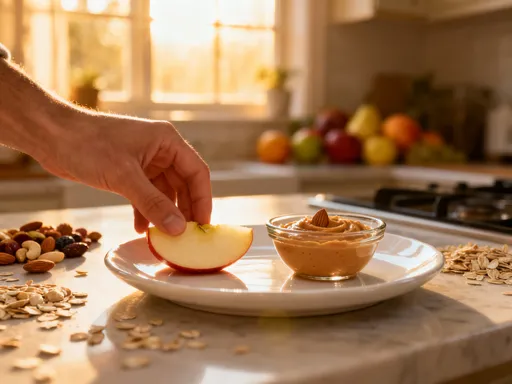
Fiber is one of the most powerful tools for maintaining regular digestion, yet many people don’t get enough—or don’t consume the right types. There are two main forms of dietary fiber: soluble and insoluble, each playing a distinct role in gut health. Soluble fiber dissolves in water to form a gel-like substance, which softens stool and helps regulate bowel movements. It’s found in foods like oats, apples, beans, and citrus fruits. Insoluble fiber, on the other hand, does not dissolve. It adds bulk to stool and helps it move more quickly through the digestive tract. Good sources include whole grains, leafy greens, nuts, and the skins of fruits and vegetables.
For women managing household diets, increasing fiber can be both simple and delicious. Start by incorporating more whole foods into meals—swap white rice for brown, choose whole grain bread over refined, and add beans or lentils to soups and salads. A handful of berries with breakfast, a side of steamed broccoli at dinner, or a small apple as a snack all contribute meaningful amounts of fiber. The recommended daily intake for adult women is about 25 grams, yet most consume only half that amount. Gradually increasing intake allows the digestive system to adjust without causing gas or bloating.
One critical point often overlooked is that fiber only works when paired with sufficient water. Without adequate hydration, fiber can actually worsen constipation by absorbing water from the colon and creating harder stools. This is why drinking plenty of fluids is essential when boosting fiber intake. Begin by adding an extra serving of high-fiber food every few days, giving your body time to adapt. Sudden increases—like switching to a high-fiber diet overnight—can lead to discomfort and discouragement.
Another practical tip is to read labels carefully. Many packaged foods claim to be “high in fiber,” but some contain isolated fibers like inulin or chicory root, which may not provide the same benefits as whole-food sources and can cause bloating in sensitive individuals. Whenever possible, prioritize natural sources of fiber over fortified products. Over time, consistent consumption of a variety of fiber-rich foods supports a healthy gut microbiome, improves digestion, and promotes long-term regularity. It’s not about perfection, but progress—one meal at a time.
Hydration’s Underestimated Role in Gut Motility
Water is essential for nearly every bodily function, and digestion is no exception. In the colon, water helps keep stool soft and easy to pass. When fluid intake is low, the body pulls extra water from waste material, resulting in dry, hard stools that are difficult to eliminate. Even mild dehydration—something many people experience without realizing it—can slow transit time and contribute to constipation. For women juggling work, family, and personal responsibilities, staying hydrated often falls to the bottom of the priority list.
Signs of inadequate hydration go beyond thirst. Dark yellow urine, dry skin, headaches, and fatigue can all indicate that the body needs more fluids. These symptoms are sometimes mistaken for other issues, but they may be closely tied to digestive sluggishness. Because the average adult loses about 10 cups of water daily through breathing, sweating, and elimination, replenishing fluids is crucial. The general recommendation is about 8 to 10 cups of water per day, though individual needs vary based on activity level, climate, and overall health.
Building a hydration routine can make a significant difference. Starting the day with a glass of water upon waking helps activate the digestive system and rehydrate after hours without fluids. Some women find it helpful to keep a reusable water bottle nearby as a visual reminder. Tracking intake with a simple app or marked bottle can also encourage consistency. Herbal teas, broths, and water-rich foods like cucumbers, watermelon, and oranges contribute to overall fluid intake and provide additional nutrients.
While beverages like coffee and tea do count toward daily fluid intake, they should be consumed in moderation. Caffeine has a mild diuretic effect, which may increase urine output and potentially lead to dehydration if not balanced with plain water. Additionally, some people find that coffee stimulates bowel movements, but relying on it daily can create dependency, similar to laxatives. The goal is not to eliminate enjoyable drinks but to ensure they’re part of a balanced hydration strategy. By making water a consistent habit, women support not only digestion but overall energy, skin health, and mental clarity.
Movement as Medicine: How Physical Activity Fuels Digestion
Physical activity is a natural and effective way to support healthy digestion. Movement stimulates the muscles in the abdomen and intestines, encouraging peristalsis and helping waste move through the colon. Even gentle exercise, like walking after meals, can make a noticeable difference in bowel regularity. For women who spend long hours sitting—whether at a desk, in the car, or at home—incorporating daily movement is one of the most accessible ways to improve gut motility.
Research has shown that sedentary lifestyles are linked to slower transit times and increased risk of constipation. On the other hand, regular physical activity, especially aerobic exercise, promotes circulation and enhances nerve signaling in the digestive tract. Activities like brisk walking, swimming, or cycling for just 20 to 30 minutes a day can have a positive impact. Even simple movements, such as stretching or marching in place while watching television, contribute to overall digestive health.
Specific exercises can be particularly beneficial. The “wind-relieving pose” in yoga, where one lies on the back and pulls the knees toward the chest, gently compresses the abdomen and helps release trapped gas. Squats, whether full or modified, engage core muscles and mimic the natural squatting position used in many cultures for elimination, which aligns the rectum for easier passage. These movements don’t require special equipment or a gym membership—just a few minutes each day can support better bowel function.
It’s important to reframe exercise not as a chore or a means to lose weight, but as a form of self-care that supports the body’s natural processes. For busy women, integrating movement into daily routines—such as taking a walk after dinner, parking farther from store entrances, or doing light stretches in the morning—makes it more sustainable. Over time, regular activity becomes a reliable ally in maintaining digestive balance, reducing bloating, and boosting overall well-being.
Rhythm and Routine: Training Your Bowel Like a Clock
The body thrives on consistency, and bowel habits are no exception. Establishing a daily routine can help train the digestive system to function more predictably. One of the most effective natural triggers is the gastrocolic reflex—a physiological response that occurs when food enters the stomach, signaling the colon to make room by moving waste along. This reflex is strongest in the morning, especially after breakfast, making it an ideal time to sit on the toilet, even if the urge isn’t immediate.
Creating a morning ritual—such as drinking a glass of water, eating a fiber-rich breakfast, and spending a few quiet minutes on the toilet—can reinforce this natural rhythm. Over time, the body begins to associate this routine with elimination, making regularity more automatic. It’s not necessary to force a bowel movement, but simply allowing time and space for the body to respond can yield significant results. For women who have spent years rushing through mornings, this small pause can be transformative.
Equally important is responding to the body’s signals. Ignoring the urge to go, whether due to a busy schedule or lack of privacy, can weaken the nerves responsible for triggering bowel movements. Over time, this can lead to decreased sensitivity and more difficulty evacuating. Encouraging children and teens to use the bathroom when needed also helps prevent long-term issues. Teaching them that digestion is important—and that taking time for it is normal and healthy—sets the foundation for lifelong gut health.
Retraining the digestive system takes patience. It may take several weeks of consistent effort before noticeable changes occur. But unlike quick fixes, this approach builds lasting habits. Women who commit to a routine often report not only improved bowel movements but also greater control over their daily rhythms, reduced stress, and a renewed sense of bodily awareness. By honoring the body’s natural timing, they restore balance in a way that feels sustainable and empowering.
When to Seek Professional Help: Red Flags and Next Steps
While lifestyle changes can resolve most cases of occasional constipation, persistent or severe symptoms should not be ignored. Certain warning signs indicate the need for medical evaluation. These include blood in the stool, unexplained weight loss, severe abdominal pain, or a sudden change in bowel habits that lasts more than a few weeks. Iron deficiency anemia, especially in women, can also be linked to underlying gastrointestinal conditions and warrants investigation.
Chronic constipation may be a symptom of conditions such as irritable bowel syndrome (IBS), hypothyroidism, diabetes, or pelvic floor dysfunction. Some medications, including certain antidepressants and blood pressure drugs, can also affect bowel motility. A healthcare provider can perform a thorough assessment, review medical history, and recommend appropriate tests if needed. This is especially important for women over 50, as changes in digestion can sometimes signal more serious issues that require early intervention.
Before starting any new supplement, herbal remedy, or drastic dietary change, it’s wise to consult a doctor or registered dietitian. They can help tailor recommendations to individual health needs and ensure that self-care strategies are safe and effective. For example, fiber supplements may be appropriate for some but not others, and certain laxatives should be used only under medical supervision.
Lifestyle changes work best when combined with professional guidance, not in place of it. Taking charge of digestive health doesn’t mean going it alone—it means using both personal effort and medical support to achieve lasting results. By listening to the body and seeking help when needed, women can navigate constipation with confidence and care.
Improving constipation isn’t about finding a magic solution—it’s about building sustainable habits that honor your body’s natural rhythms. Small, consistent actions add up to real rehabilitation effects: more energy, less discomfort, and greater confidence in your daily health. This journey taught me that listening to your body isn’t optional—it’s essential. And with the right support, lasting relief is within reach.