How I Learned to Breathe Through the Noise: A Real Talk on Staying Grounded
Anxiety doesn’t shout—it whispers, then lingers. For years, I thought worrying was just part of being “thoughtful” until it started stealing my sleep, focus, and joy. I’m not a doctor, but I’ve tested real, science-backed ways to ease the weight. This isn’t about fixing yourself overnight. It’s about noticing what’s off, understanding your mind better, and choosing small, doable shifts that add up. These changes didn’t transform me into someone unrecognizable—they helped me reconnect with the calm that was always within. And if you’ve ever felt overwhelmed by the quiet hum of unease, this is for you.
The Quiet Epidemic: Recognizing Anxiety in Everyday Life
Anxiety is often mistaken for a dramatic crisis, but for most people, it appears not as a storm, but as a steady drizzle. It’s the inability to turn off your thoughts at bedtime, the tightness in your chest before a routine phone call, or the habit of rehearsing conversations that haven’t happened yet. These experiences are so common that many dismiss them as personality traits—“I’m just a worrier” or “I care too much.” But when worry begins to interfere with daily functioning, it may no longer be a quirk. It could be a sign that your nervous system is stuck in overdrive.
Modern life, with its relentless pace and constant connectivity, acts as a silent amplifier of low-grade anxiety. Emails pile up overnight. Social media feeds present curated versions of others’ lives, often triggering comparison and self-doubt. The pressure to be productive, present, and perfect can feel inescapable. Even seemingly positive events—planning a family gathering or managing a home renovation—can become sources of mental strain. Over time, this background noise accumulates, wearing down resilience and making even small stressors feel overwhelming.
The key to managing anxiety begins with recognition. Normal worry is temporary and situation-specific: you might feel nervous before a doctor’s appointment or anxious about a child’s school performance. But persistent unease—worry that lingers for weeks, that spreads across multiple areas of life, or that leads to physical symptoms like fatigue or muscle tension—is different. It’s not a sign of weakness, but a signal that your body and mind are asking for attention. Learning to distinguish between everyday stress and chronic anxiety is the first step toward reclaiming control.
Many women in their 30s to 50s report feeling “constantly on edge” without understanding why. They may not meet clinical criteria for an anxiety disorder, yet their quality of life is diminished. This subclinical anxiety is widespread, often overlooked, and deeply impactful. By naming it, we begin to demystify it. Awareness doesn’t require a diagnosis. It only requires honesty with oneself: “Is this level of worry serving me? Or is it holding me back?” That question, simple as it is, can be the start of meaningful change.
Why Awareness Comes First: The Power of Health Consciousness
You can’t manage what you don’t notice. This principle applies to physical health—like recognizing early signs of fatigue or dehydration—and it’s equally vital for mental well-being. Health consciousness isn’t about obsession or perfection. It’s about cultivating a gentle awareness of your inner state, much like checking the weather before stepping outside. When you tune in regularly, you can respond to emotional shifts before they become storms.
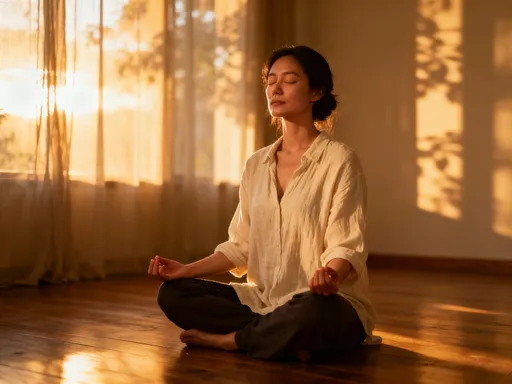
Mindfulness, often misunderstood as a spiritual or abstract practice, is simply the act of paying attention on purpose, without judgment. It’s not about emptying your mind or achieving peace in every moment. It’s about noticing when your thoughts spiral, when your shoulders rise toward your ears, or when your breath becomes shallow. These small observations are powerful because they create space between stimulus and reaction. Instead of automatically reacting to stress with panic or avoidance, you gain the ability to choose a different response.
Consider a common scenario: a mother preparing dinner while managing homework questions, unanswered texts, and a to-do list that never shrinks. Without awareness, she might push through, ignoring the tension building in her chest. But with mindfulness, she might pause and notice, “I’m feeling overwhelmed right now. My heart is racing. I need a moment.” That pause, brief as it may be, is an act of self-respect. It allows her to take three deep breaths, ask for help, or simply sit quietly for one minute. Over time, these moments of awareness build emotional resilience.
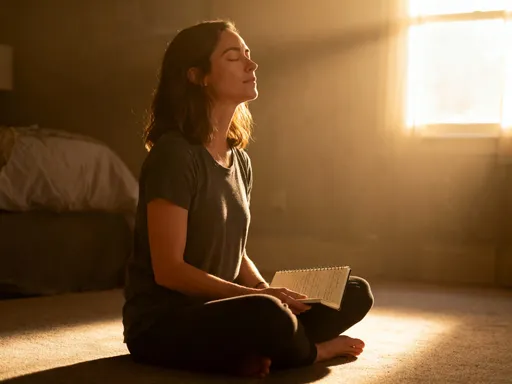
Developing health consciousness doesn’t require meditation retreats or hours of practice. It can start with a daily check-in: “How am I feeling right now—physically, emotionally, mentally?” Journaling can support this process, offering a safe space to track patterns. You might discover that anxiety spikes on Sunday evenings, or that certain people or environments leave you feeling drained. These insights are not weaknesses—they are valuable data. With them, you can make informed choices about how to structure your days, set boundaries, and protect your energy.
Breathe Before You Break: Simple Breathing Techniques That Work
When anxiety strikes, your breath often changes before you even realize it. It becomes faster, shallower, centered in the chest rather than the belly. This shift activates the sympathetic nervous system—the “fight-or-flight” response—which increases heart rate, tenses muscles, and heightens alertness. The good news is that you can reverse this process intentionally. Controlled breathing is one of the most accessible and scientifically supported tools for calming the nervous system. Unlike medication or therapy, it’s always available, free, and requires no special equipment.
One effective method is diaphragmatic breathing, also known as belly breathing. To practice, sit or lie down comfortably. Place one hand on your chest and the other on your abdomen. Inhale slowly through your nose, allowing your belly to rise while keeping your chest still. Exhale gently through your mouth, feeling your abdomen fall. Repeat for 5 to 10 minutes. This technique activates the vagus nerve, which helps trigger the parasympathetic nervous system—the “rest-and-digest” state. Studies show that regular practice can reduce cortisol levels, lower blood pressure, and improve emotional regulation.
Another powerful tool is box breathing, used by military personnel and first responders to stay calm under pressure. It follows a simple four-step pattern: inhale for four counts, hold for four, exhale for four, and hold again for four. This rhythmic pattern stabilizes the mind and improves focus. It can be done discreetly at your desk, in the car, or while waiting in line. The key is consistency—practicing daily, even when you don’t feel anxious, strengthens your ability to access calm when you need it most.
The 4-7-8 technique, developed by Dr. Andrew Weil, is particularly helpful for sleep and acute anxiety. Inhale quietly through your nose for four counts, hold your breath for seven, then exhale completely through your mouth for eight counts, making a whooshing sound. This extended exhale signals safety to the brain, slowing the heart rate and promoting relaxation. While it may feel awkward at first, many users report noticeable calm within a few days of practice. These techniques are not quick fixes, but they are reliable tools that grow more effective with use.
Move to Calm: How Physical Activity Soothes the Mind
Exercise is often praised for its physical benefits—weight management, heart health, strength—but its impact on mental well-being is equally profound. Physical activity is a natural regulator of mood, helping to balance key neurotransmitters like serotonin, dopamine, and norepinephrine. It also reduces levels of cortisol, the primary stress hormone. For women managing household responsibilities, work, and family dynamics, movement offers a rare opportunity to reconnect with the body and step outside the cycle of mental chatter.
You don’t need intense workouts to experience these benefits. Research consistently shows that moderate, consistent activity is more effective for mental health than sporadic, high-intensity exercise. A 20-minute walk around the neighborhood, a gentle stretching routine in the morning, or dancing to favorite songs in the living room can all shift your internal state. The goal isn’t calorie burn or physical transformation—it’s emotional regulation and nervous system balance.
Walking, in particular, has a unique calming effect. The rhythmic motion, exposure to natural light, and change of scenery combine to reduce rumination—the repetitive, negative thinking that often accompanies anxiety. Even indoor movement, like pacing while on a phone call or doing seated leg lifts during TV time, contributes to mental clarity. The key is to shift your mindset: view movement not as a chore or punishment, but as a form of self-care, as essential as eating or sleeping.
For many women, finding time to exercise feels impossible. But integrating movement into daily life makes it sustainable. Try parking farther from store entrances, taking the stairs, or doing a five-minute stretch break between tasks. These small actions accumulate, improving both physical vitality and emotional resilience. Over time, you may notice that you feel more grounded, less reactive, and better able to handle daily pressures. Movement doesn’t eliminate stress, but it builds a stronger foundation for coping with it.
The Mind-Gut Connection: Eating for Emotional Balance
The phrase “trust your gut” may be more than just an idiom. Science now confirms a strong connection between the digestive system and the brain, known as the gut-brain axis. The gut houses billions of microbes that produce neurotransmitters, including about 90% of the body’s serotonin—a key chemical involved in mood regulation. When the gut is inflamed or imbalanced, it can send signals that contribute to anxiety, fatigue, and low mood.
Diet plays a crucial role in maintaining this delicate balance. Highly processed foods, refined sugars, and excessive caffeine can disrupt gut health and exacerbate anxiety symptoms. Sugar, for example, causes rapid spikes and crashes in blood glucose, which can mimic or worsen feelings of shakiness, irritability, and nervousness. Caffeine, while helpful in moderation, can overstimulate the nervous system, especially in sensitive individuals, leading to jitteriness and sleep disturbances.
Supporting emotional balance through nutrition doesn’t require restrictive diets or expensive supplements. Simple, sustainable shifts can make a meaningful difference. Increasing fiber intake through whole grains, fruits, vegetables, and legumes feeds beneficial gut bacteria. Omega-3 fatty acids, found in fatty fish, walnuts, and flaxseeds, have anti-inflammatory properties and are linked to lower anxiety levels. Staying well-hydrated is also essential, as even mild dehydration can affect concentration and mood.
Mindful eating enhances these benefits. Slowing down during meals, chewing thoroughly, and avoiding distractions like screens allow your body to digest more efficiently and recognize satiety cues. This practice also fosters a healthier relationship with food, reducing emotional eating patterns that often accompany stress. Rather than focusing on what to eliminate, the goal is to build a nourishing, balanced diet that supports both physical and mental well-being. Food is not the sole solution to anxiety, but it is a powerful ally in creating stability from within.
Unplug to Recharge: Managing Digital Overload
In today’s world, we are constantly connected—and constantly interrupted. Smartphones buzz with notifications, emails arrive at all hours, and social media feeds present an endless stream of information and comparison. While technology offers convenience and connection, it also contributes to mental fatigue and low-grade anxiety. The human brain was not designed to process this volume of input, and over time, the cumulative effect can be draining.
Digital overload affects attention, sleep, and emotional regulation. Scrolling through social media before bed, for example, exposes the brain to stimulating content and blue light, both of which interfere with melatonin production and delay sleep onset. The habit of checking phones first thing in the morning sets a reactive tone for the day, shifting focus from internal priorities to external demands. Even seemingly harmless activities, like reading news headlines or responding to group texts, can activate the stress response if done excessively.
Creating digital boundaries is not about rejecting technology, but about using it intentionally. Start with small, realistic changes: designate screen-free times, such as during meals or the first 30 minutes after waking. Turn off non-essential notifications to reduce distractions. Consider a “notification detox”—silencing apps for a full day to observe how it affects your mood and focus. Many women report feeling calmer and more present when they reclaim pockets of uninterrupted time.
Another effective strategy is to establish a digital sunset—a routine of disconnecting from screens at least one hour before bedtime. Replace scrolling with calming activities like reading, journaling, or light stretching. This transition signals to the body that it’s time to wind down, improving sleep quality and next-day energy. Over time, these habits create mental space, allowing for greater clarity, creativity, and emotional balance. Unplugging isn’t a luxury—it’s a necessary act of self-preservation in a hyperconnected world.
When to Reach Out: Knowing the Limits of Self-Help
Self-care practices are valuable, but they are not a substitute for professional support when anxiety becomes unmanageable. There is strength in recognizing when you need help beyond what home strategies can provide. Persistent symptoms such as chronic insomnia, panic attacks, social withdrawal, or difficulty functioning at work or home are signs that anxiety may require clinical attention. Ignoring these signals can lead to worsening symptoms and decreased quality of life.
Therapy, particularly cognitive behavioral therapy (CBT), has been shown to be highly effective for anxiety. CBT helps individuals identify and reframe distorted thought patterns, develop coping skills, and gradually face feared situations in a structured way. Medication, when prescribed by a healthcare provider, can also be a helpful tool for some, especially when combined with therapy. These options are not admissions of failure—they are responsible choices for well-being, just as seeing a doctor for a persistent physical ailment would be.
Many women hesitate to seek help due to stigma, fear of judgment, or the belief that they should be able to “handle it on their own.” But asking for support is not weakness—it is an act of courage and self-respect. It takes awareness to recognize when you’re struggling and bravery to take the next step. Talking to a primary care provider or a licensed therapist is a safe, confidential way to explore your options and create a personalized plan.
Support groups, either in person or online, can also provide comfort and connection. Sharing experiences with others who understand can reduce feelings of isolation and offer practical tips. The journey toward mental wellness is not linear, and it doesn’t have to be traveled alone. Professional guidance, combined with self-care, creates a comprehensive approach that honors both the mind and the body.
Small Shifts, Lasting Calm
Anxiety isn’t something to “beat”—it’s something to understand and manage. The goal isn’t to eliminate all worry, but to develop a healthier relationship with it. By building health consciousness, practicing simple tools daily, and knowing when to seek help, lasting relief becomes possible. These strategies don’t promise overnight transformation, but they offer something more valuable: sustainable progress.
Start with what feels manageable. Maybe today, it’s three minutes of diaphragmatic breathing. Tomorrow, it might be a walk around the block or turning off notifications after dinner. Over time, these small shifts accumulate, creating a foundation of calm. You don’t have to do everything at once. You only have to begin.
This journey is not about perfection. It’s about presence—showing up for yourself with kindness, patience, and curiosity. It’s about reclaiming moments of peace in a world that rarely slows down. And it’s about remembering that you are not alone. Millions of women navigate similar challenges, and each step forward, no matter how small, is a victory.
Healing is not a destination. It’s a practice—one breath, one choice, one moment at a time. And as you continue to listen, respond, and care for yourself, you may discover that the calm you’ve been searching for was never far away. It was always within you, waiting to be noticed.